Stucco Installation Best Practices
Dry, mild weather with temperatures between 50°F and 85°F promotes optimal curing of stucco. Avoid installation during rain, extreme heat, or cold to prevent defects.
Spring and fall are generally preferred for stucco projects due to moderate temperatures and lower humidity, reducing the risk of curing issues.
High temperatures can cause rapid drying and cracking, while low temperatures may hinder proper curing. Monitoring weather forecasts is crucial.
Low humidity levels facilitate faster curing, but excessive dryness can cause cracking. Moderate humidity ensures proper adhesion and finish.
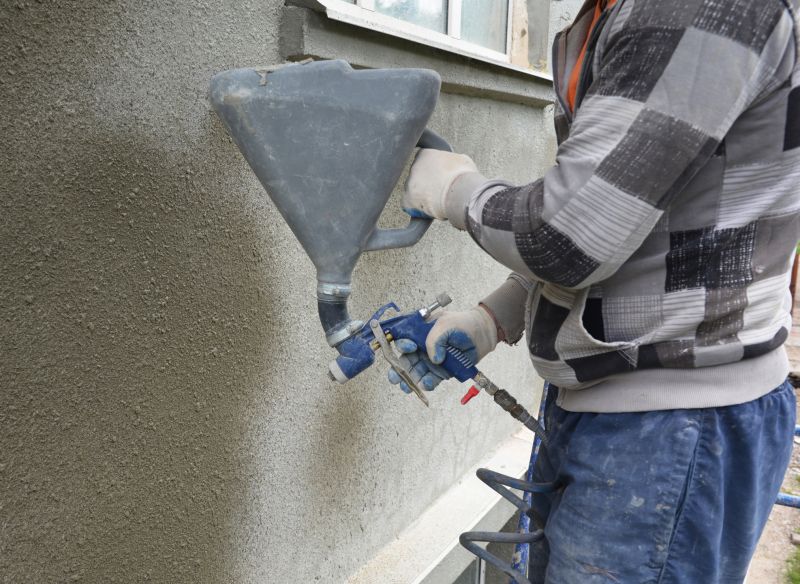
Ways to make Stucco Installations work in tight or awkward layouts.
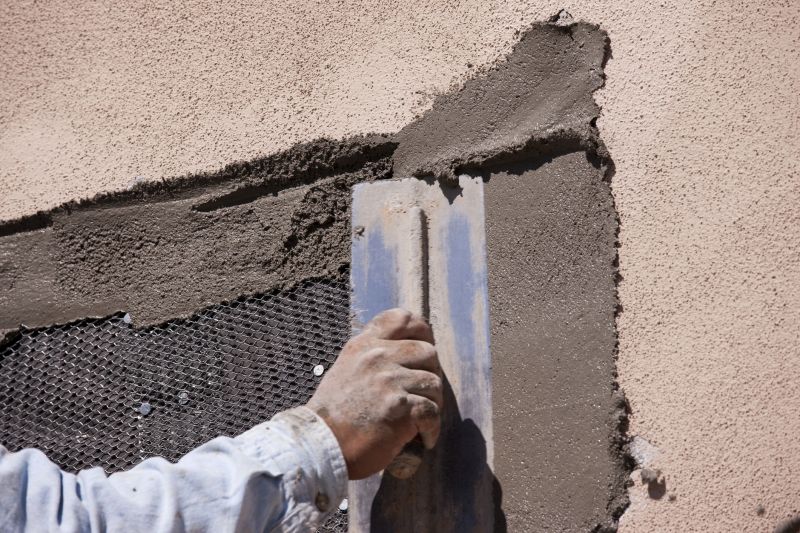
Popular materials for Stucco Installations and why they hold up over time.

Simple add-ons that improve Stucco Installations without blowing the budget.

High-end options that actually feel worth it for Stucco Installations.

Finishes and colors that play nicely with Stucco Installations.
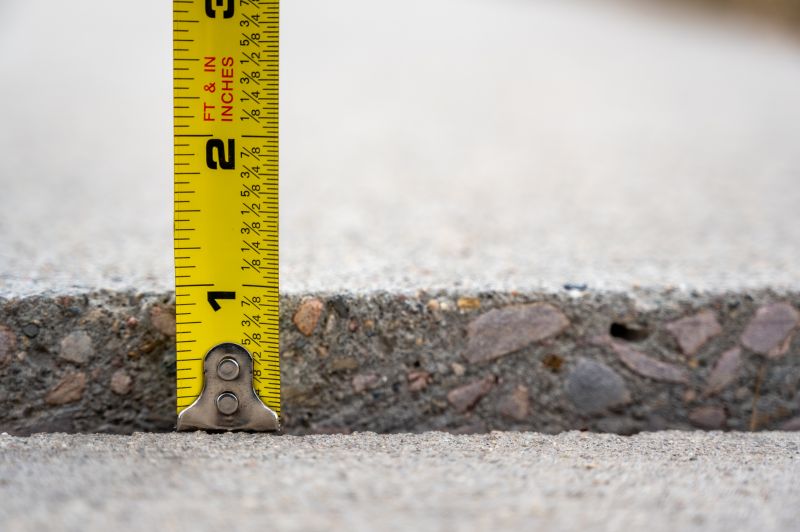
Little measurements that prevent headaches on Stucco Installations day.
Stucco installation is a widely used exterior finishing technique that offers durability and aesthetic appeal. It involves applying a mixture of cement, sand, and water onto a prepared surface, creating a textured or smooth finish. Proper timing ensures the mixture cures correctly, preventing issues such as cracking, bubbling, or delamination. Stucco can be applied over various substrates, including wire mesh or lath, and is suitable for both residential and commercial buildings. The process typically involves multiple coats, each requiring adequate drying time, which underscores the importance of scheduling during favorable weather conditions.
Statistics indicate that projects completed during optimal weather conditions have a significantly lower rate of defects and longer lifespan. For example, improper curing caused by unsuitable timing can reduce stucco lifespan by up to 30%. Therefore, understanding seasonal patterns and weather forecasts is crucial for achieving high-quality results and maximizing the longevity of the installation.
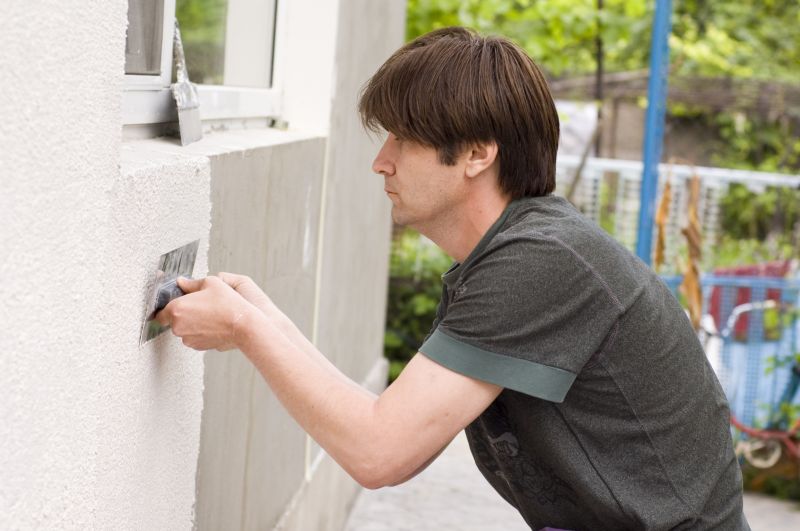
A 60-second routine that keeps Stucco Installations looking new.
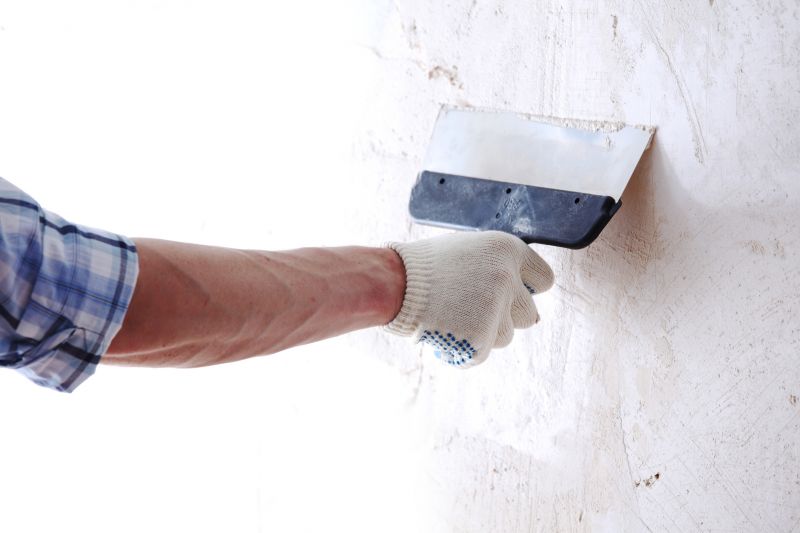
A frequent mistake in Stucco Installations and how to dodge it.

Small tweaks to make Stucco Installations safer and easier to use.
Lower-waste or water-saving choices for Stucco Installations.
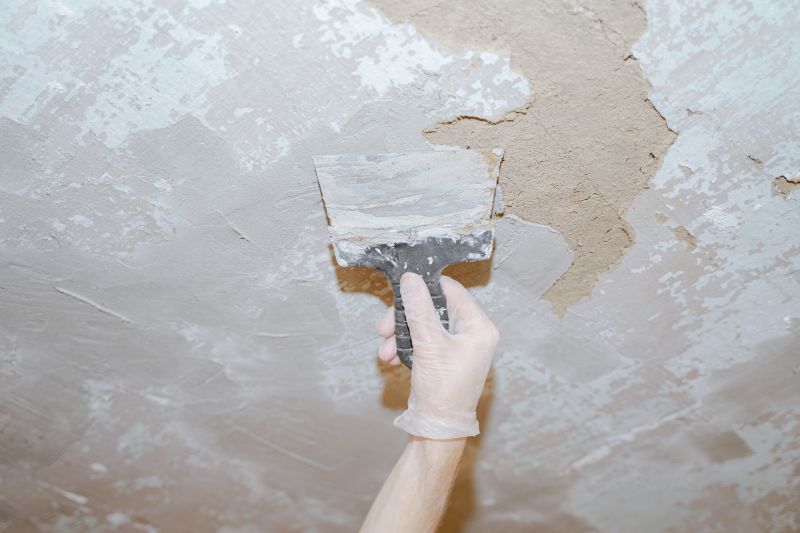
The short, realistic tool list for quality Stucco Installations.

Rough timing from prep to clean-up for Stucco Installations.
Interested in professional stucco installation? Contact for more information or to schedule an assessment. Proper timing combined with expert application ensures a durable, attractive exterior that lasts for years.